DIRECTORATE GENERAL OF
AGRICULTURAL RESEARCH
AGRICULTURAL RESEARCH
“Utilization of agricultural by-products for the production of food and high-value-added products”
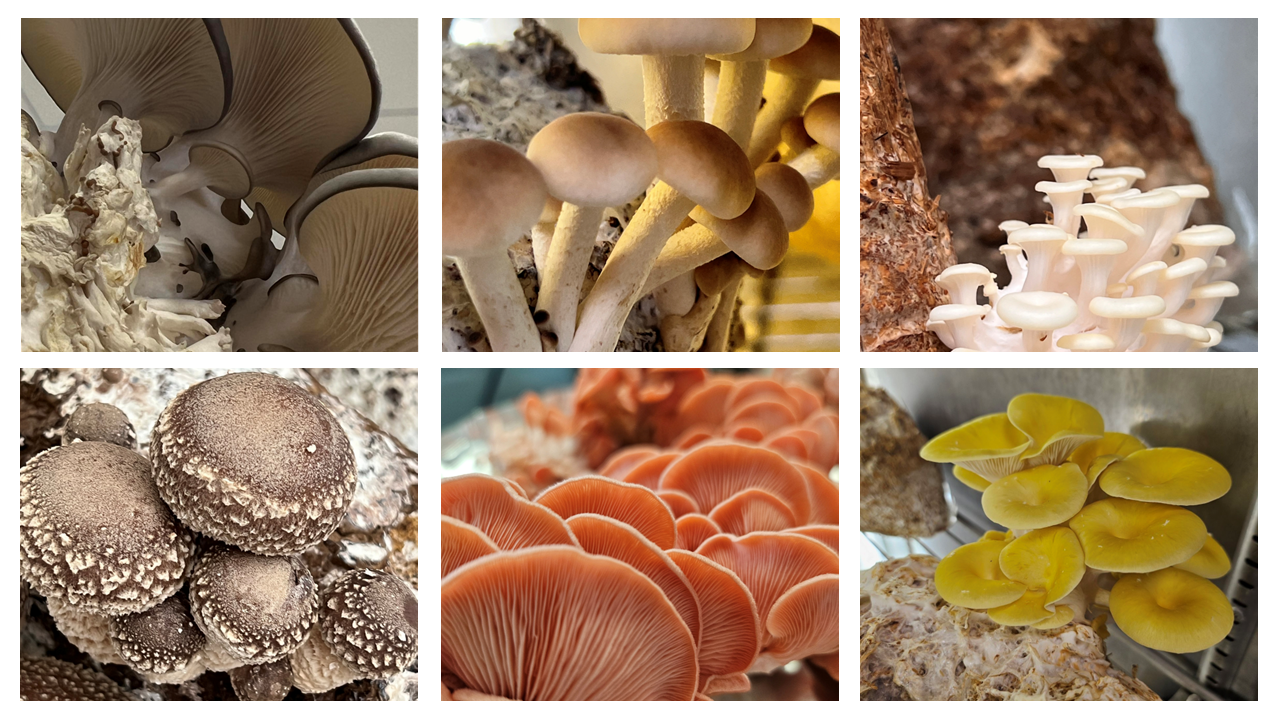
The transition to more sustainable food production systems is one of the most important challenges, as the need to reduce the environmental footprint is combined with the growing demand for products with high nutritional value. For this reason, the utilization of agricultural and industrial waste is emerging as a key pillar of the circular economy, transforming materials that were previously considered waste into new opportunities for production and innovation.
At the Edible Fungi Laboratory of the Institute of Technology of Agricultural Products of ELGO-DIMITRA, Dr. Panagiota Diamantopoulou and her research team systematically study the potential of edible fungi to function as natural converters of agro-industrial residues and to produce food, feed and bio-products with high added value.
As she points out, “For us, residues are not waste. They are valuable raw materials that can be re-entered into the production chain through the biotechnology of edible fungi, creating new products, reducing the environmental burden and strengthening the circular economy in practice.”
From agro-industrial residues to biotechnological utilization
In Greece, approximately 7 million tons of agricultural and agro-industrial by-products of a lignocellulosic nature are produced every year, such as cotton and maize residues, industrial wood and coffee residues, by-products of olive and cheese factories, as well as exhausted mushroom cultivation substrates. A large part of these flows creates significant environmental pressures, due to the difficulty of their management.
The research team of the Edible Fungi Laboratory is examining how these materials can be utilized as cheap and renewable substrates for the cultivation of edible fungi, integrating production into an integrated circular economy model. In this way, mushrooms are not only a food with high nutritional value, but also a biological mechanism for converting waste into valuable bioactive compounds.
Rich in proteins, amino acids, vitamins, trace elements and beta-glucans, mushrooms are emerging as one of the most promising alternative protein sources for the future.
“Mushrooms combine high nutritional value with a particularly low environmental footprint. This dual property makes them crucial for the food systems of the future, where sustainability is as important as nutritional value,” notes the researcher.
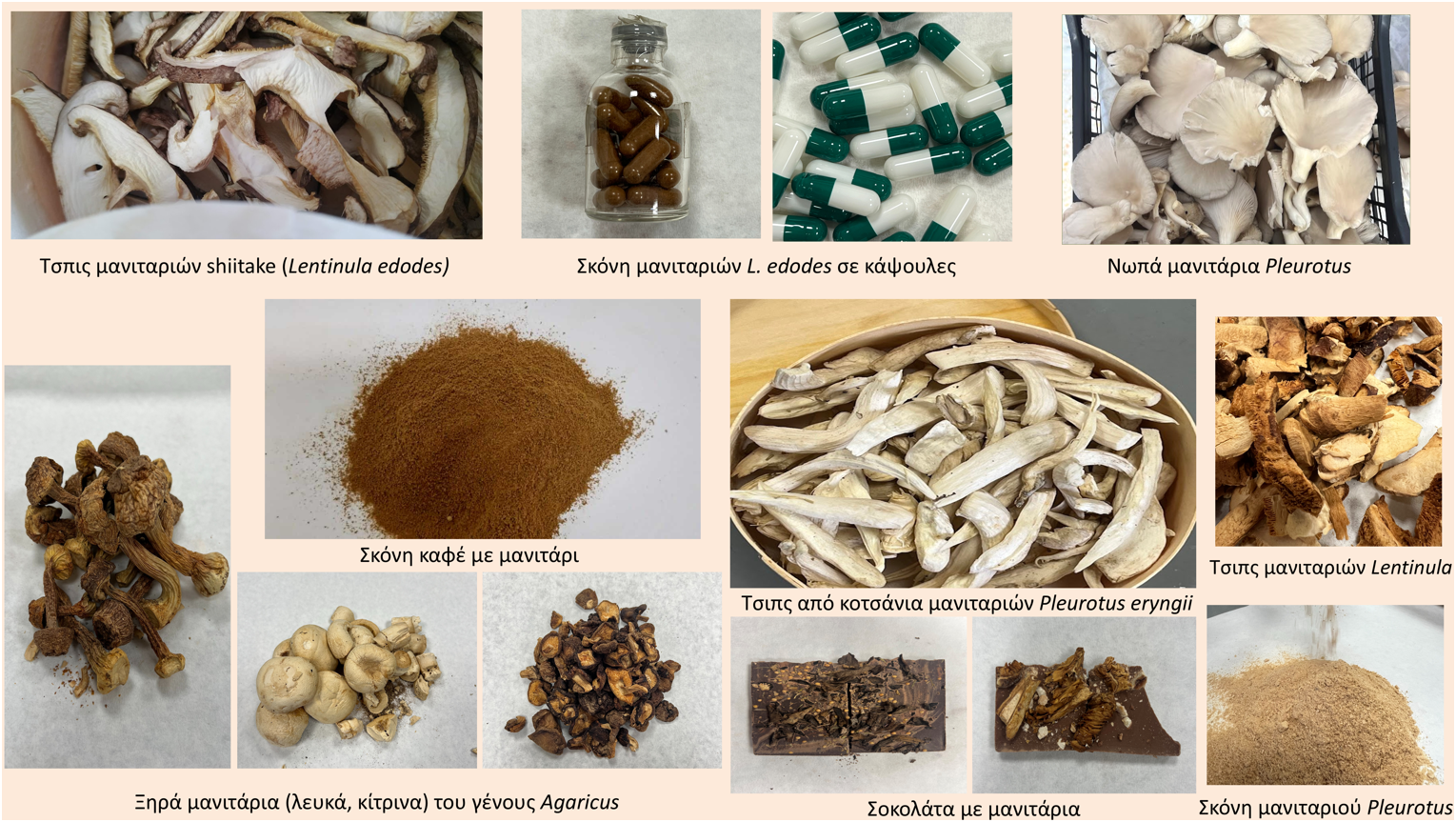
Beyond food production, fungi function as small “biofactories”, capable of producing a multitude of bioactive products, such as polysaccharides, lipids, antioxidant compounds and enzymes with important applications in industry and the environment. Of particular importance is the enzyme laccase, which is utilized in biodegradation and decontamination processes, contributing to the development of more environmentally friendly technologies.
At the same time, the team has developed and optimized techniques for cultivating fungi and producing mycelial biomass on a laboratory and pilot scale, creating the conditions for the gradual transfer of know-how to industrial application.
Nothing is lost: circular production and new perspectives
One of the most innovative elements of the research concerns the logic of the total utilization of all materials involved in cultivation. The substrates remaining after mushroom production are not treated as waste, but as materials with new emerging value.
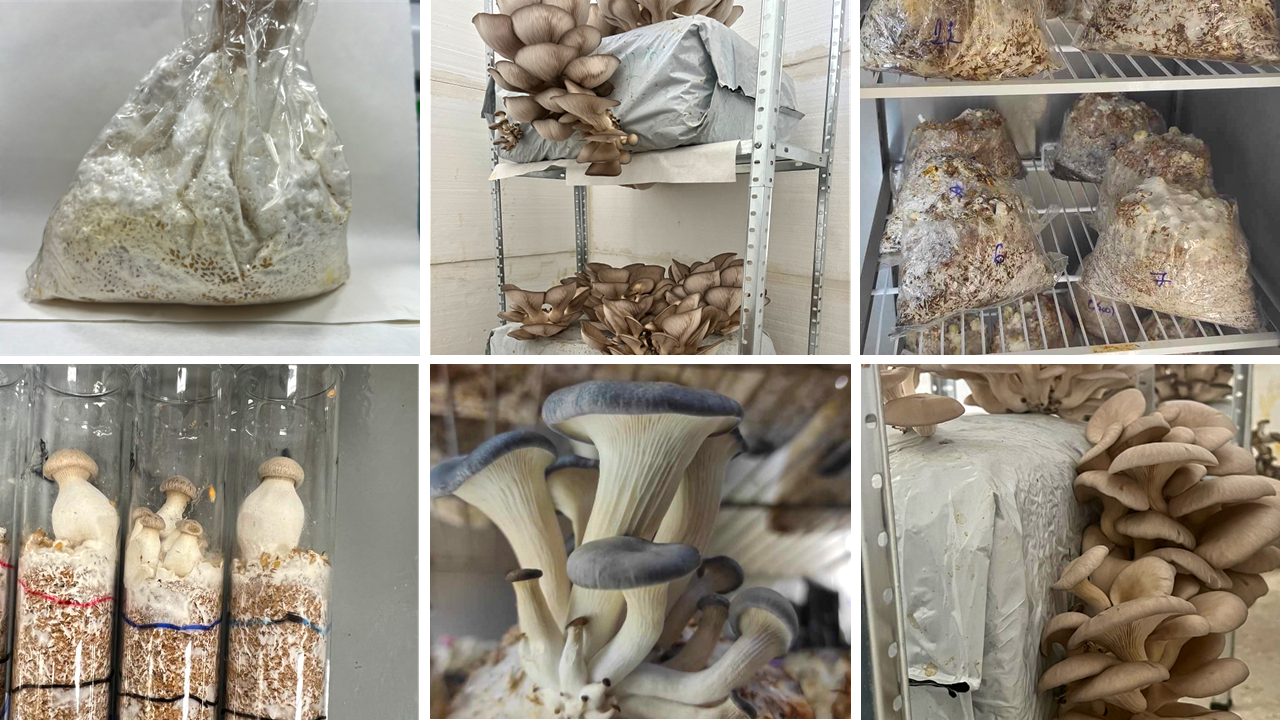
The research team investigated their reuse in second and third cultivation cycles, finding that they maintain significant biological activity even after their initial use. At the same time, they were utilized as feed ingredients for dairy animals and egg-laying hens, contributing to the reduction of feeding costs and the improvement of individual quality characteristics of the products produced.
Furthermore, the same materials were used as a substrate for new crops of edible and medicinal mushrooms, leading to the production of new bioproducts with increased research and commercial interest.
The research also extends to the production of specialized lipids rich in unsaturated fatty acids, as well as other bioactive compounds with potential antioxidant and anti-inflammatory properties, opening new perspectives for both nutrition and pharmaceutical research.
“The real challenge is not simply the utilization of residues, but the redesign of entire production systems, where each material flow has multiple lives and each stage generates new value,” emphasizes Dr. Diamantopoulou.
The comprehensive research approach of the Edible Fungi Laboratory highlights a new paradigm of agri-food production, where biotechnology, circular economy and innovation are linked in a single resource utilization system. In this context, mushrooms are not just an alternative food, but a crucial link in the transition towards more sustainable and efficient production systems.
Information: Dr. Panagiota Diamantopoulou, ELGO-DIMITRA, Institute of Technology of Agricultural Products, Lykovrysi, Athens, pdiamantopoulou@elgo.gr
Text: Sachini Alexandra